



Technical Zippers for Outdoor Gear, Tents and Tarpaulins
-1-100x100.webp "T10 TPU Water-Resistant Zipper Chain Set 10 m + 10 Sliders ST-0010")
-1-100x100.webp "Waterproof 7-Piece Zipper Set – For Outdoor, Jackets, Bags and Technical Textiles - ST-0004T5")
-1-100x100.webp "Waterproof White Striped Tape Zipper TPU #3 - SRTSGOT5")
Technical Zipper Sourcing for Outdoor Manufacturing
A zipper selected for technical manufacturing must match the construction and operating conditions of the finished product. A coated jacket zipper and a heavy tent chain serve different purposes even when both are marketed for outdoor use.
Specify the closure length, chain profile, tape width, slider count, corner radius, fabric layers and expected use before choosing the zipper.
Manufacturing Selection Table
| Manufacturing Area | Zipper Approach | Workshop Check |
|---|---|---|
| Technical jacket and rainwear | TPU/PU-coated ready-length zipper | Define open-end, closed-end and slider count from the pattern. |
| Outdoor or motorcycle bag | Coated ready-length or continuous zipper | Test curved and repeated folding areas. |
| Tent production and repair | Molded or heavy continuous zipper | Determine whether a double-pull slider is required. |
| Tarpaulin and awning workshop | Heavy continuous zipper set | Calculate panel load and reinforcement allowance. |
| Equipment and machinery cover | Cut-to-length coil or molded chain | Confirm whether the closure is straight, curved or cornered. |
| Repair and service stock | 10, 20 or 50 m / 32.81, 65.62 or 164.04 ft set | Plan slider consumption separately for each repair type. |
Coated Zippers for Technical Products
TPU- or PU-coated zippers may provide a flatter technical face and improved resistance to surface moisture in jackets, bags and equipment cases.
A coating does not prove that the finished item is waterproof or compliant with a specific standard. Use verified test data for performance claims.
Molded Continuous Zipper Chain
Molded continuous chain uses individual plastic teeth and may provide a clearly defined profile for tents, tarps, large cases and technical covers.
Molded chain is not interchangeable with coil chain. Each requires a compatible slider and suitable end-finishing method.
Heavy #10 Nylon Coil Chain
Heavy #10 continuous coil chain may be used for large tents, tarpaulins, awnings and protective covers where different closure lengths must be prepared from one stock.
See verified workshop packages in the zipper types and models catalogue.
Cut-Length Planning
The cut length must include more than the visible opening. Allow for:
- Top and bottom finishing
- Corner and curve travel
- Reinforcement fabric
- Flap or overlap allowance
- Folded sewing margins
- Sample and cutting waste
Slider Consumption
A single-slider closure normally requires one slider per product. A two-slider opening requires two. A double-pull slider remains one slider body even though it has pull tabs on both sides.
A 100 m / 328.08 ft package with 50 sliders will therefore not always produce 50 finished items. Calculate consumption from the individual product design.
Workshop Set Guide
| Set | Suitable User | Planning Note |
|---|---|---|
| 10 m / 32.81 ft + 10 sliders | Samples, small repairs and low-volume work | Useful for trials and compact projects. |
| 20 m / 65.62 ft + 10 sliders | Small tent and tarp workshop | Additional sliders may be needed for two-slider closures. |
| 50 m / 164.04 ft + 25 sliders | Medium production and repair service | Add waste and corner allowances. |
| 100 m / 328.08 ft + 50 sliders | Regular production workshop | Approve color and chain batch consistency. |
| 200 m / 656.17 ft + 100 sliders | High-volume manufacturer | Approve chain-slider samples before bulk cutting. |
Production Sample Inspection
- Does the chain move smoothly around the required corners?
- Does the slider operate on both straight and curved sections?
- Does the tape pull or wrinkle the reinforced fabric?
- Do the end finishes remain secure under load?
- Can a double-pull slider be operated from both sides?
- Does the coating crack or separate on repeated folds?
- Does water pass through the stitch line?
Common Workshop Errors
- Do not claim complete waterproofing without testing the finished construction.
- Do not use a molded-chain slider on heavy coil chain.
- Do not treat cut chain as a finished zipper before preparing the ends.
- Do not omit corner allowance from the cut length.
- Do not confuse a double-pull slider with a two-slider system.
- Do not cut bulk quantities before compatibility approval.
- Do not infer package contents from product images alone.
- Do not claim UV, saltwater or extreme-temperature resistance without documentation.
Frequently Asked Questions
Should technical textile production use ready-length or continuous zippers?
Ready-length zippers suit standard garment and pocket dimensions. Continuous chain is useful for workshops producing tents, tarps, bags and cases in different lengths.
What is the difference between molded and heavy coil zipper chain?
Molded chain uses separate plastic teeth, while coil chain uses a continuous spiral element. They require different compatible sliders.
Why is a double-pull slider used on a tent zipper?
It allows the same slider to be operated from inside and outside the tent. It remains one slider body.
How many products can be made from 100 metres of zipper chain?
It depends on zipper length per product, cutting waste and whether each closure uses one or two sliders.
Can water pass through the stitching of a TPU zipper?
Yes. The coating may reduce water passing through the zipper face, but unsealed stitch holes can still allow water entry.
How are the ends of continuous zipper chain finished?
Depending on the application, use suitable stops, stitched blocks, end pieces or another approved technical finish.
Does every #10 slider fit every #10 zipper chain?
No. Manufacturer tolerances and chain profiles can differ. Test the actual slider and chain together.
Last updated: July 21, 2026
Business: E-Zippers — zipper, slider and technical textile accessory supplier, Istanbul, Türkiye.
-1-350x450h.webp "17 cm 6.69\" Waterproof Zipper | Short Technical Zipper for Bags and Jackets | ZP00017PR")
-1-350x450h.webp "17 cm 6.69\" Waterproof Zipper | Short Technical Zipper for Bags and Jackets | ZP00017PR")
-1-350x450h.webp "Waterproof 7-Piece Zipper Set – For Outdoor, Jackets, Bags and Technical Textiles - ST-0004T5")
-1-350x450h.webp "Waterproof 7-Piece Zipper Set – For Outdoor, Jackets, Bags and Technical Textiles - ST-0004T5")
-1-350x450h.webp "T10 TPU Water-Resistant Zipper Chain Set 10 m + 10 Sliders ST-0010")
-1-350x450h.webp "T10 TPU Water-Resistant Zipper Chain Set 10 m + 10 Sliders ST-0010")
-1-350x450h.webp "Tarp Tent Nylon Zipper #8 - SRTCFT20")
-1-350x450h.webp "Tarp Tent Nylon Zipper #8 - SRTCFT20")
-1-350x450h.webp "Waterproof Strip Zipper PU #5 - SRTSGTT10")
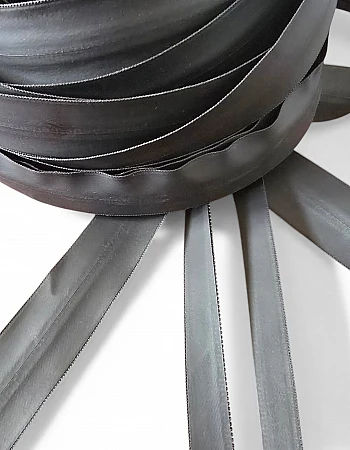
-1-350x450h.webp "Waterproof Strip Zipper TPU #5 - SRTSGT10")
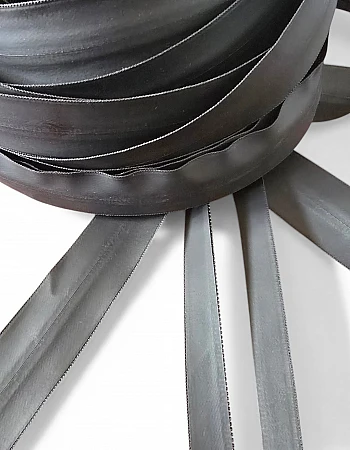
-1-350x450h.webp "Waterproof White Striped Tape Zipper TPU #3 - SRTSGOT5")
-1-350x450h.webp "Waterproof White Striped Tape Zipper TPU #3 - SRTSGOT5")
-1-350x450h.webp "Tarp Tent Strip Molded Plastic Zipper #5 - SRTCFT9")
-1-350x450h.webp "Tarp Tent Strip Molded Plastic Zipper #5 - SRTCFT9")