



Invisible Zippers for Dress and Bridalwear Manufacturing


-1-100x100.png "35 cm (13.78 in) Invisible Zipper for Tulle Dresses and Skirts ZPHSN0035TUL")
-1-100x100.png "25 cm (9.84 in) Invisible Zipper for Tulle Dresses and Skirts ZPHSN0025TUL")

-1-100x100.jpg "7-inch Tulle Ribbon Detailed Concealed Zipper Type 3 | For Dresses and Skirts | NC0018TUL")
Invisible Zipper Sourcing for Garment Production
An invisible zipper affects both closure performance and the finished appearance of a garment seam. Incorrect tape, length or installation can expose the coil, distort the fabric or misalign waist and pattern reference points.
Manufacturing approval should cover the zipper length, coil profile, tape construction, slider, fabric layers, sewing foot and color.
Production Selection Table
| Production Area | Zipper Approach | Workshop Check |
|---|---|---|
| Skirt and women's trousers | 16–22 cm / 6.30–8.66 in invisible zipper | Measure the opening needed through the waist and hip area. |
| Day dress and jumpsuit | 22–40 cm / 8.66–15.75 in invisible zipper | Confirm that the garment can be dressed comfortably. |
| Formalwear | 35–60 cm / 13.78–23.62 in invisible zipper | Test lining, interfacing, beads and fabric layers together. |
| Bridalwear | 40–70 cm / 15.75–27.56 in long invisible zipper | Check corsetry and keep embellishment clear of the working coil. |
| Tulle, organza and lace | Tulle- or woven-tulle-tape zipper | Test visibility and seam support on the real fabric. |
| Sampling and alteration | Individual ready-length zipper | Compare the functional length, tape width and color. |
Standardising #3 Invisible Coil Zippers
English listings should use #3 invisible coil zipper for the verified fine garment-invisible chain family.
Turkish Type 3 and Type 5 labels should not become separate English sizes unless physical measurement confirms two different gauges.
Woven, Tulle and Woven-Tulle Tape
Standard woven tape may suit dresses, skirts, jumpsuits and medium-weight woven materials.
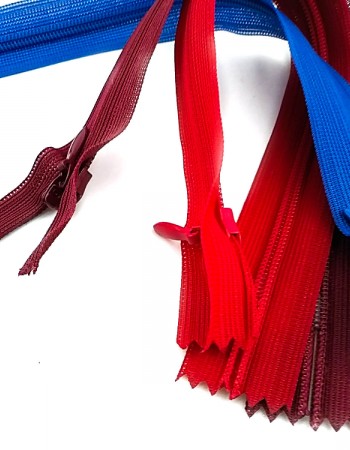
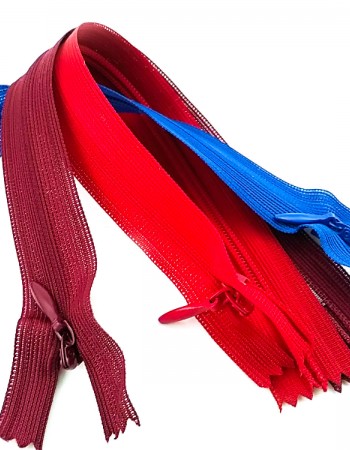
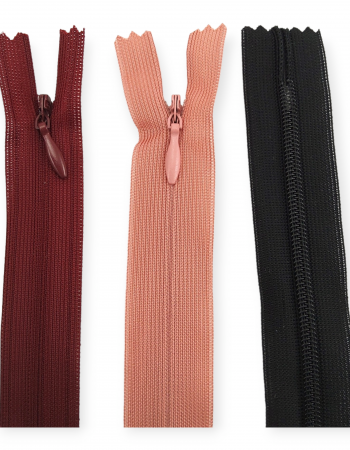
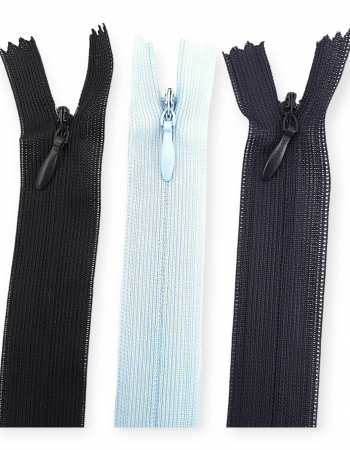
Tulle tape can provide a lighter and more translucent appearance for lace, organza and formal fabrics.
Products described as woven-tulle tape should be separated only where the actual weave and performance differ from standard tulle tape.
Length Planning in Production
Do not calculate zipper length from the finished garment length. Use the actual seam opening required for dressing and fitting.
The production specification should define:
- Top starting position
- Bottom-stop position
- Waist and hip clearance
- Lining and corsetry thickness
- Seam allowance and zipper-foot access
- Finished dressing opening
Pre-Production Sewing Sample
- Is the closed seam straight?
- Can the coil be seen from the outside?
- Are waist and pattern lines aligned?
- Does the slider catch on the seam?
- Does the fabric ripple along the zipper?
- Is the lower garment seam completed cleanly below the stop?
- Can the lining enter the slider path?
Invisible Zippers in Corsetry and Heavy Formalwear
An invisible zipper creates a refined closure but should not automatically be treated as the only structural support for heavy corsetry, multiple fabric layers or highly embellished garments.
Where required, the garment design may use hooks, an internal corset closure or another supporting system to reduce load on the zipper.
Invisible and Reverse-Coil Construction
An invisible zipper folds the coil so that it can sit inside the seam. A reverse-coil zipper turns the spiral toward the reverse face but may still show the tape and stitching.
Invisible, reverse-coil and reversible zippers must remain separate product classes.
Color and Batch Approval
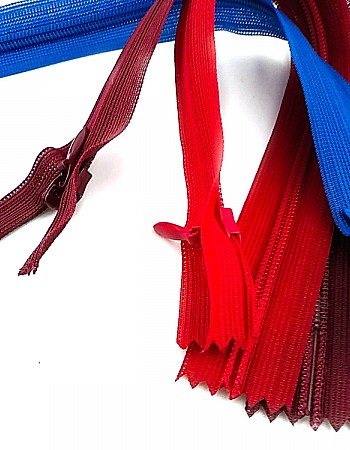
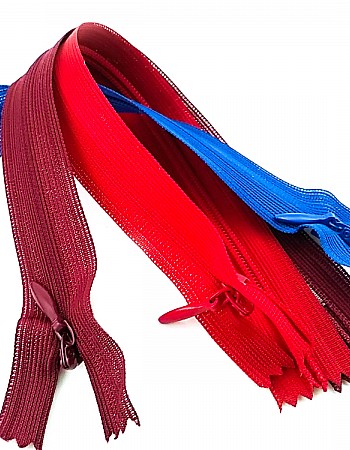
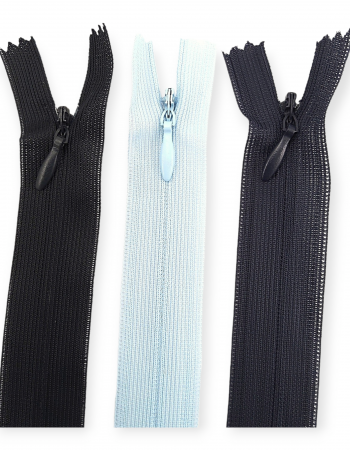
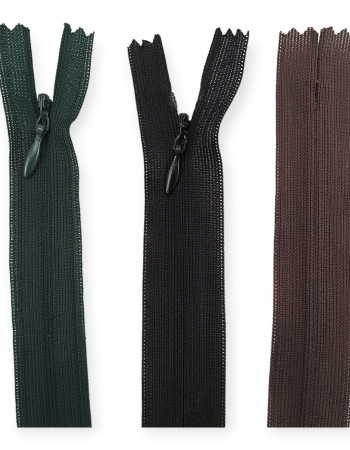
Although the coil is concealed, the tape, pull tab and top section can remain visible. Compare colors against the actual outer fabric and lining.
For bridal products, white, off-white, ivory, cream and skin tones should be treated as separate shades. Where color consistency matters, consider sourcing the required quantity from one approved batch.
Retail, Wholesale and Packaged Products
The category may contain individual retail products, products available for both retail and wholesale orders, and packs containing 50 zippers in one color.
Always confirm the exact unit of sale from the product details.
Common Manufacturing Errors
- Do not use Turkish Type 3 and Type 5 as separate gauges without measurement.
- Do not classify reverse-coil zippers as invisible zippers.
- Do not approve tulle tape for every lightweight fabric without testing.
- Do not expect an invisible zipper to carry heavy corsetry load alone.
- Do not complete both sides without matching waist and pattern marks.
- Do not stitch through the coil.
- Do not approve color from digital images alone.
- Do not infer package contents from product photographs.
Frequently Asked Questions
How should an invisible zipper be tested before production?
Sew a complete sample using the real outer fabric, lining, interfacing and embellishment, then inspect visibility, rippling, slider movement and seam alignment.
Are Turkish Type 3 and Type 5 invisible zippers the same?
Some catalogues may use both labels for a similar fine chain. Confirm the physical chain profile and slider compatibility before merging them.
Which zipper length is suitable for bridalwear?
The final length depends on the gown pattern and dressing opening. 40–70 cm / 15.75–27.56 in may be considered for longer bridal garments.
What is the difference between tulle and woven tape?
Tulle tape can appear lighter and more translucent, while standard woven tape has a more defined textile structure. Approve the final choice on the real fabric.
Can an invisible zipper support heavy corsetry alone?
Not always. Heavy layered garments may require hooks, an internal corset closure or another support system to reduce zipper load.
Does invisible zipper color matter?
Yes. Tape, the pull tab and the top section may remain visible, so the color should be compared with the real fabric.
How many zippers are included in a package?
Package formats vary. Some products are sold individually, while selected products may be supplied as 50-piece single-color packs.
Last updated: July 22, 2026
Business: E-Zippers — zipper, slider and textile accessory supplier, Istanbul, Türkiye.
-1-350x450h.jpg "7-inch Tulle Ribbon Detailed Concealed Zipper Type 3 | For Dresses and Skirts | NC0018TUL")
-1-350x450h.png "7-inch Tulle Ribbon Detailed Concealed Zipper Type 3 | For Dresses and Skirts | NC0018TUL")
-1-350x450h.png "Woven 18 cm Tulle Zipper - NC0018DTUL")
-1-350x450h.png "Woven 18 cm Tulle Zipper - NC0018DTUL")
_1-1-350x450h.jpg "22 cm / 8.661 in Black Woven Tulle Closed-End Invisible Zipper for Dresses, Skirts and Eveningwear – ZPG0022DKM")
_9-1-350x450h.jpg "22 cm / 8.661 in Black Woven Tulle Closed-End Invisible Zipper for Dresses, Skirts and Eveningwear – ZPG0022DKM")
-1-350x450h.png "22 cm 8.66\" Invisible Zipper with Tulle Tape | For Dresses, Skirts and Inner Pockets | ZPHSN0022TUL")
_3-1-350x450h.jpg "22 cm 8.66\" Invisible Zipper with Tulle Tape | For Dresses, Skirts and Inner Pockets | ZPHSN0022TUL")
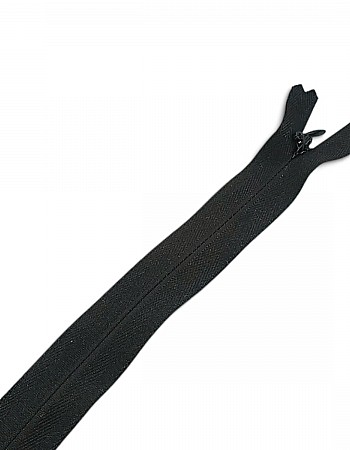
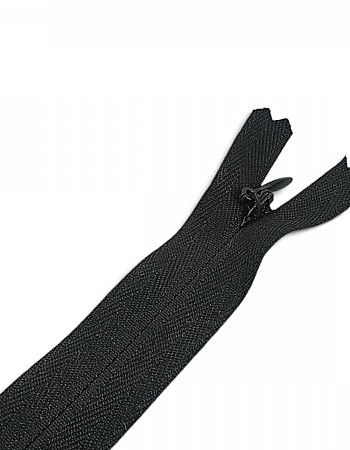
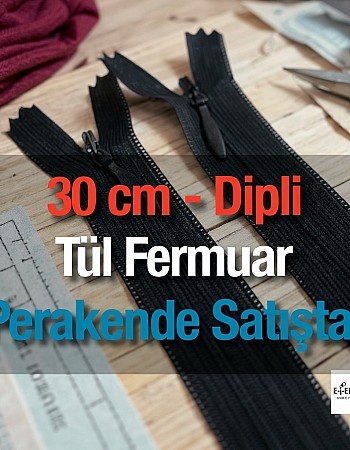
-1-350x450h.jpg "Concealed Zipper 30 / 0,32 yrd cm Skirt and Dress Zipper Black Closed End ZPHSN0030TUL")
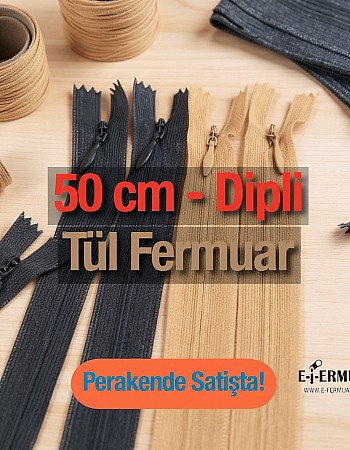
-1-350x450h.jpg "Hidden Zipper 50 cm Tulle Dress and Skirt Zipper ZPHSN0050TUL")