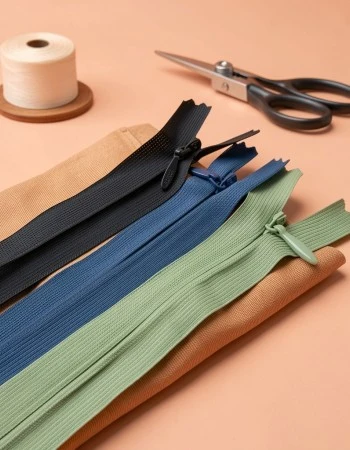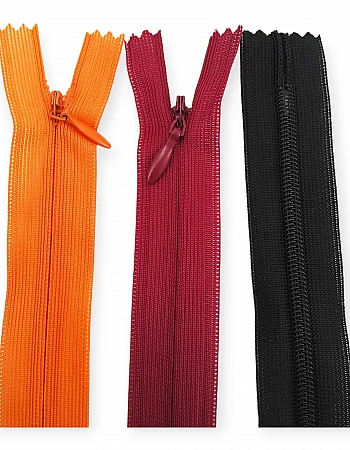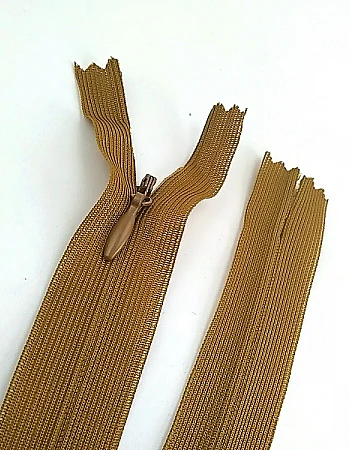
Invisible Zippers for Dresses, Formalwear and Bridal Production
-1-100x100.webp "Basic Invisible Zipper Set for Tailoring and Formal Wear Workshops – 7 / 8.7 / 11.8 / 13.8 in – 20 Pieces - ST-0008")
-1-100x100.webp "160 cm 62.99\" White Abaya Zipper | Open-End Long Garment Zipper | ZP00160T5")
-1-100x100.webp "55 cm 21.66\" Black T5 Nylon Closed-End Zipper | Coil Zipper for Pockets, Bags and Sewing | ZP0055T5")
Invisible Zippers for Fashion and Bridal Manufacturing
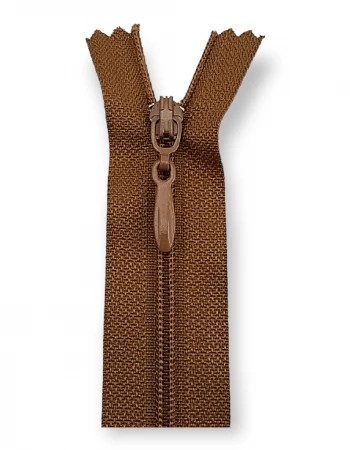
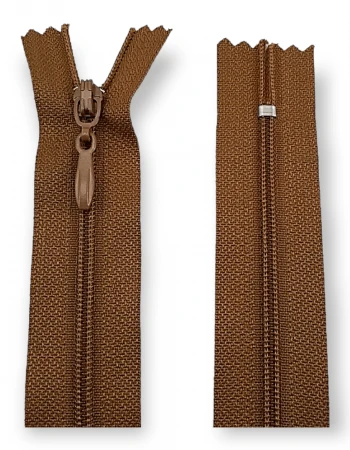
An invisible zipper allows a dress, gown or bridal garment to open without creating a prominent visible chain on the finished seam. Correct selection affects fitting, seam appearance, slider movement and production consistency.
The zipper must be planned together with the outer fabric, lining, interfacing, bodice construction and sewing method. A zipper that performs well in a lightweight day dress may not provide the same result in a structured bridal gown.
Production Application Table
| Production | Typical Zipper Approach | Workshop Check |
|---|---|---|
| Casual dress | Standard fabric-tape invisible zipper | Confirm that the chain does not mark the outer fabric. |
| Formal and evening gown | Fine tulle-tape invisible zipper | Test the outer fabric and lining together. |
| Wedding and occasion dress | Long tulle- or woven-mesh invisible zipper | Plan reinforcement for structured bodice tension. |
| Lace and sheer design | Low-visibility tulle tape | Check both color and texture beneath the fabric. |
| Jumpsuit and fitted garment | Long closed-end invisible zipper | Test the dressing opening and hip passage. |
| Alteration and replacement | Construction matching the original zipper | Compare tape, coil, slider and end type as well as length. |
Invisible Zipper Tape Options
Standard Fabric Tape
Standard invisible zipper tape can be considered for day dresses, skirts, jumpsuits and medium-weight garments. Test the tape to ensure that it does not pull or ripple the seam.
Fine Tulle Tape
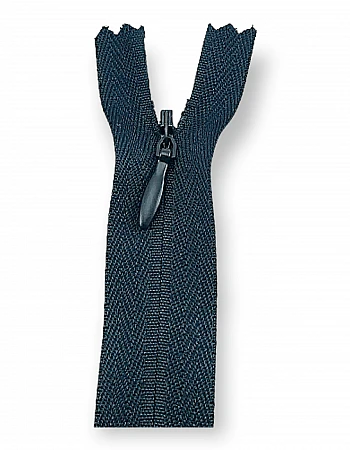
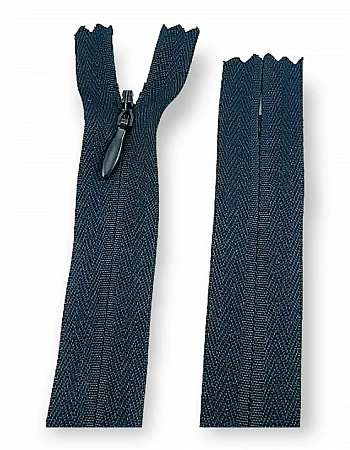
Fine tulle tape may reduce tape visibility beneath lace, chiffon, tulle and lightweight garment layers. Needle size, thread tension and seam allowance must suit the delicate tape.
Woven-Mesh Tape
Woven-mesh tape changes both the texture and transparency of the zipper. It should be viewed under the actual fabric and lining before production approval.
Functional Length Planning
| Length | Example Production | Planning Note |
|---|---|---|
| 16–22 cm / 6.30–8.66 in | Children's dress and short auxiliary opening | Check dressing comfort during fitting. |
| 25–35 cm / 9.84–13.78 in | Day dress, short gown and jumpsuit | Test movement through the waist and hip. |
| 40–50 cm / 15.75–19.69 in | Standard dress and centre-back closure | Include lining layers in the measurement. |
| 55–60 cm / 21.65–23.62 in | Long formal gown and bridal dress | Test closure tension and internal support. |
| 70 cm / 27.56 in | Extended bodice or special long closure | Confirm the required length from the pattern. |
Structured Bodice and Bridal Closure Planning
Fitted bridal and formal bodices may apply significant tension across the closure. A fine invisible zipper should not automatically be expected to carry the entire structural load.
Depending on the design, the garment may require internal reinforcement, hook-and-eye support, boning, stabilising tape or another secondary closure. Test the complete construction on a fitted sample.
Color and Production-Batch Control
Optical white, natural white, ivory, off-white, ecru and cream are distinct shades. Approve the zipper tape against the actual outer fabric and lining rather than relying only on a screen or color name.
For production quantities, consider ordering the required amount from one batch where color consistency is important.
Sample-Sewing Checklist
- Does the functional length match the pattern opening?
- Is the tape visible through lace or sheer fabric?
- Does the seam ripple after installation?
- Does the slider catch at lining or waist seams?
- Is excessive tension applied during fitting?
- Does the presser foot stitch at the correct distance from the coil?
- Do both top edges align when the zipper is closed?
Common Production Errors
- Do not use an open-end abaya or coat zipper as a bridal invisible zipper.
- Do not place a heavy bag or pocket zipper in the category solely because its length matches.
- Do not treat invisible and reverse-coil zippers as identical.
- Do not approve bridal colors only from a monitor or color name.
- Do not begin bulk sewing without a complete garment sample.
- Do not leave all structured bodice tension to a fine concealed zipper.
- Do not use a nominal size label as a replacement for technical verification.
Frequently Asked Questions
Which zipper is commonly used in formal dress production?
A closed-end invisible zipper is commonly selected when the closure needs to remain discreet. Tape structure and length must be matched to the actual fabric and pattern.
Which fabrics may use a tulle-tape invisible zipper?
Tulle-tape zippers may be considered for lace, chiffon, tulle and lightweight fabrics. Suitability must be confirmed through tape-visibility and sewing tests.
What zipper length is used for a bridal gown?
The exact length depends on the pattern. Approximately 50–70 cm / 19.69–27.56 in may be considered for longer bridal and formal closures, but the actual opening is the final reference.
Is an invisible zipper enough for a structured bridal bodice?
Not always. A high-tension bodice may require stabilising tape, hooks, internal support or another secondary closure.
Why can zipper tape show through a garment?
Tape thickness, color contrast, interfacing, lining, seam allowance and fabric transparency can all affect visibility.
Should an invisible zipper be tested before bulk production?
Yes. Use the actual outer fabric, lining, interfacing, thread and presser foot to test seam appearance and slider movement.
Last updated: July 21, 2026
Business: E-Zippers — zipper, slider and textile accessory supplier, Istanbul, Türkiye.
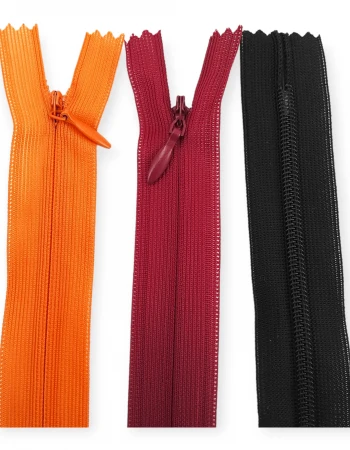
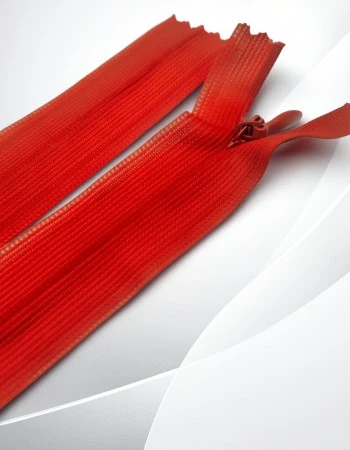
-1-350x450h.webp "Basic Invisible Zipper Set for Tailoring and Formal Wear Workshops – 7 / 8.7 / 11.8 / 13.8 in – 20 Pieces - ST-0008")
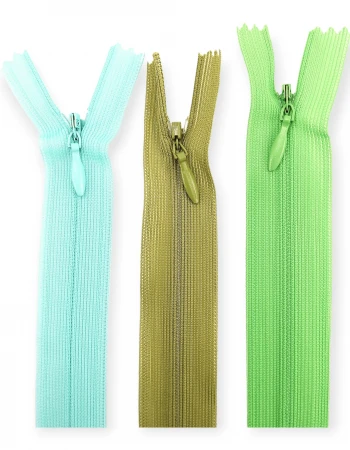
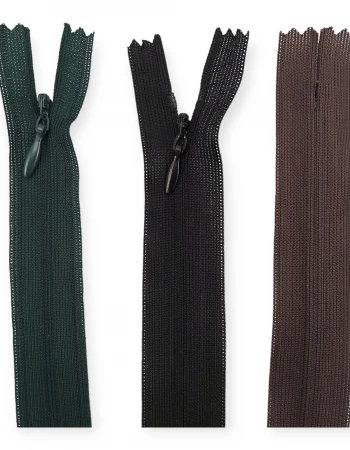
-1-350x450h.webp "Basic Invisible Zipper Set for Tailoring and Formal Wear Workshops – 7 / 8.7 / 11.8 / 13.8 in – 20 Pieces - ST-0008")
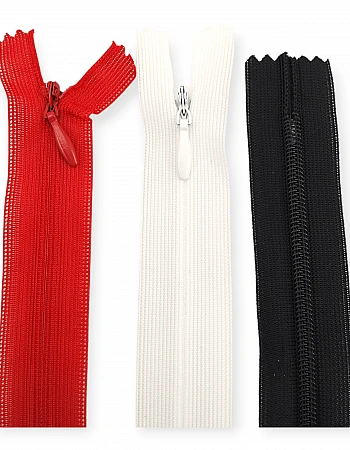
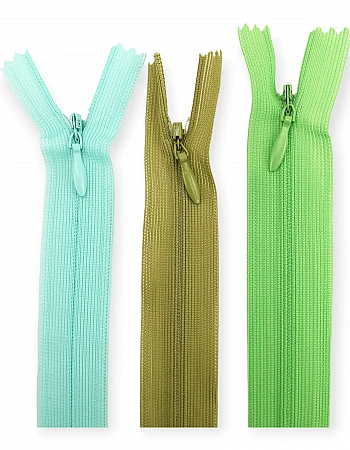
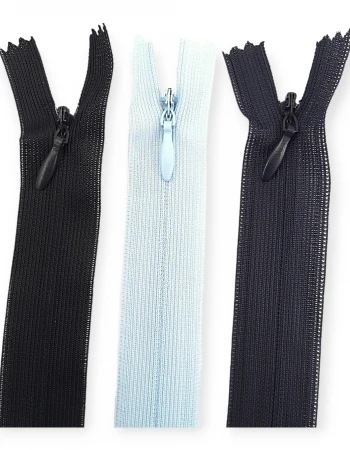
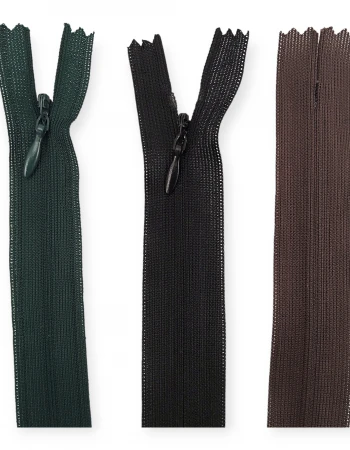
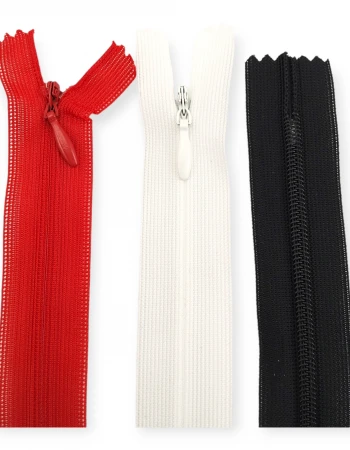
-1-350x450h.webp "Hidden Zipper 25 cm 0,27 yrd Tulle Dress and Skirt Zipper ZPHSN0025TULPromo")
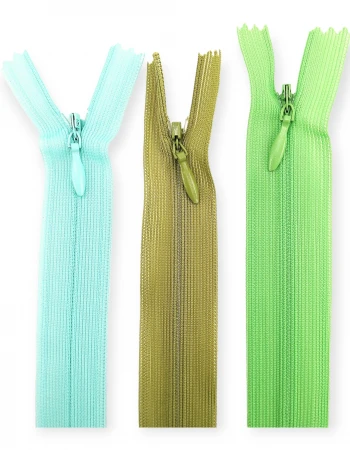
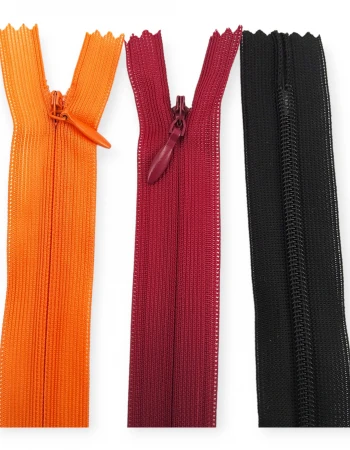
-1-350x450h.webp "Hidden Zipper 35 cm Tulle Dress and Skirt Zipper ZPHSN0035TUL")